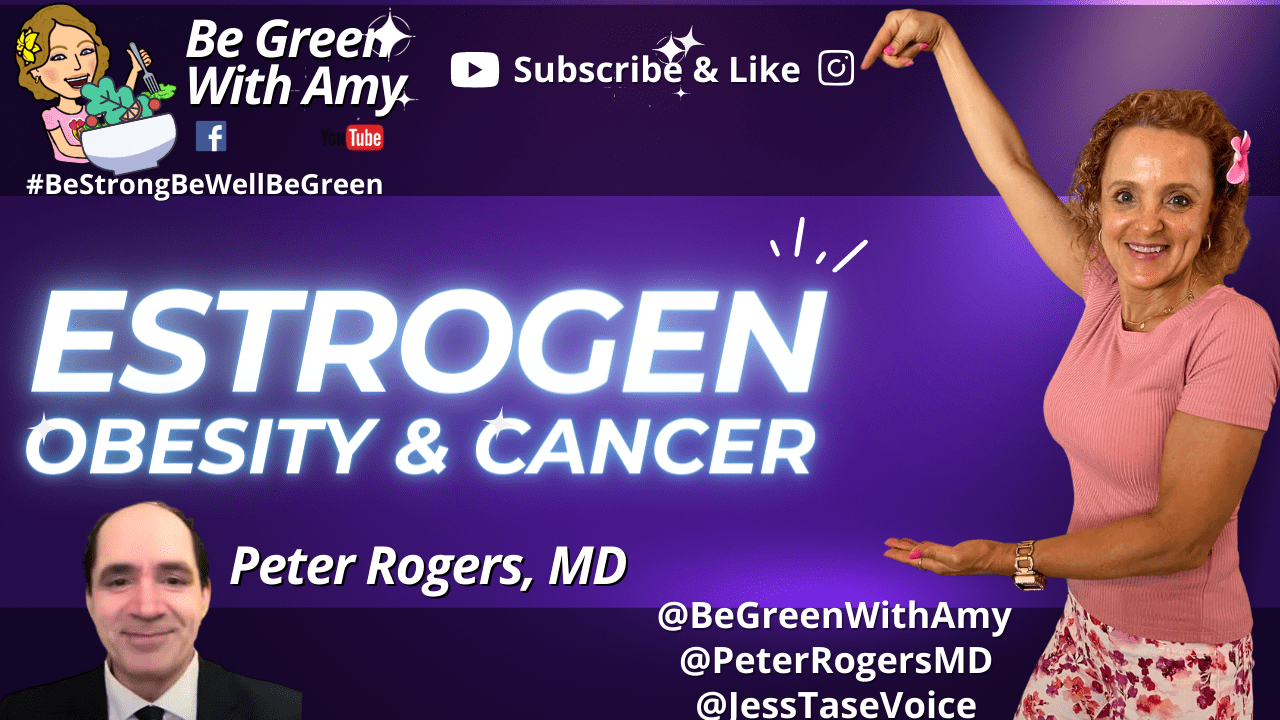
Ready to unlock the secrets to a healthier, happier you? Join Dr. Rogers in this groundbreaking video as he delves into the surprising link between hormonal disruptors, weight loss struggles, and cancer risk. From everyday household items to personal care products, discover the hidden dangers lurking in your daily routine that could be sabotaging your wellness goals. Watch and learn about these essential insights to take control of your health and pave the way to a brighter future.
Scroll down for some highlight from the interview!
Dr. Rogers recommends:
Endocrine Disruption and Human Health
Dr. Rogers emphasizes the link between plastic exposure and obesity, focusing on the role of endocrine-disrupting chemicals (EDCs) found in many plastics. Here are some of the many key points he covered:
1. Endocrine Disruptors in Plastics:
- Bisphenol A (BPA): Found in many plastic products, BPA can mimic estrogen and disrupt normal hormonal functions. Studies have shown a correlation between BPA exposure and increased fat storage, appetite changes, and metabolic disorders, contributing to obesity. Just because plastic is “BPA Free”, does not mean it is safe. Scroll down to learn more!
- Phthalates: These chemicals, used to make plastics flexible, can interfere with hormone function and have been associated with obesity, insulin resistance, and other metabolic issues.
2. Mechanisms of Action:
- Hormonal Imbalance: EDCs can alter the balance of hormones that regulate appetite, fat storage, and metabolism. For instance, they can increase the production of fat cells or affect the hormones that signal fullness.
- Metabolic Disruption: These chemicals can interfere with the body’s metabolic processes, leading to reduced energy expenditure and increased fat accumulation.
3. Evidence from Research:
- Animal Studies: Research on animals has shown that exposure to EDCs like BPA and phthalates can lead to weight gain and fat accumulation, even at low doses.
- Human Studies: Epidemiological studies have found links between higher levels of these chemicals in the body and increased rates of obesity and metabolic disorders in humans.
4. Practical Advice:
- Avoiding Plastics: Reduce the use of plastic containers, especially for food and beverages, to minimize exposure to harmful chemicals.
- Alternative Materials: Use glass, stainless steel, or other safer materials for storage and consumption can help reduce the intake of these harmful substances.
- Dietary Choices: Emphasizing a whole food, plant-based diet can also help mitigate some of the effects of these chemicals, as such diets are generally lower in processed foods that might be contaminated with EDCs.
5. Broader Implications:
- Public Health: There is a need for greater awareness and regulation of EDCs in plastics to protect public health, particularly in vulnerable populations like children and pregnant women. Please share this with people you know.
- Environmental Impact: Beyond personal health, reducing plastic use also has significant environmental benefits, as plastic pollution contributes to broader ecological and health problems.
Understanding the link between plastics and obesity is crucial for making informed decisions about everyday products. By reducing exposure to harmful plastics and adopting healthier lifestyle choices, individuals can better manage their weight and overall health. Dr. Rogers’ insights offer valuable guidance on navigating these challenges in our modern environment.
Dr. Rogers discussed the nuances of plastic safety and its implications for health.
Addressing “BPA-Free” Plastics and Their Alternatives:
When it comes to plastic food containers labeled “BPA-free,” Dr. Rogers emphasizes caution. Many of these alternatives may still contain similar chemicals that can mimic hormones and disrupt bodily functions. This includes BPS (bisphenol S) and other bisphenol compounds, which are often used as substitutes but pose similar risks to BPA.
Understanding the Risks:
- Chemical Similarities: BPS and other bisphenols share structural similarities with BPA, allowing them to exert comparable hormone-disrupting effects. This can include interference with estrogen and other hormonal pathways implicated in metabolism and weight regulation.
- Health Implications: Research suggests that BPS and related chemicals can still contribute to health issues linked to BPA, such as obesity, insulin resistance, and reproductive problems. These substances can leach into food and beverages, particularly when exposed to heat (think microwave or car sitting in the sun) or acidic conditions like tomato sauce.
- Consumer Awareness: Dr. Rogers advises consumers to be vigilant when selecting food storage and beverage containers. Opting for materials like glass or stainless steel, which are less likely to leach harmful chemicals, can mitigate exposure risks.
Practical Recommendations:
- Minimize Plastic Use: Choose alternatives to plastic whenever possible, especially for storing and heating food. This reduces the risk of exposure to potentially harmful chemicals. These glass storage containers are like the ones that that I use.
- Read Labels Cautiously: While “BPA-free” labels may imply safety, remain aware that these products could contain substitutes that pose similar health risks. Seek out products that explicitly state they are free from all bisphenols.
- Advocate for Safer Products: Support initiatives that advocate for stricter regulations on chemical use in consumer products. This includes advocating for transparent labeling and safer alternatives in the market.
Navigating the complexities of plastic safety requires informed consumer choices and awareness of potential risks beyond the label. Dr. Rogers underscored the importance of understanding these nuances to protect personal health and well-being. By adopting practices that reduce exposure to hormone-disrupting chemicals, individuals can take proactive steps toward promoting a healthier lifestyle and environment.
Are you eliminating plastic? Let me know in the comments.


Follow Amy:

Hi I’m Amy. My husband Rick & I adopted a Whole Plant lifestyle in 2012. We have had fantastic health results. Together, we’ve lost over 130 pounds! We offer private, lifestyle coaching and Zoom cooking lessons. We love to share our knowledge of this lifestyle and hope to spread the word and help others to Be Strong, Be Well and Be Green!🌱
👩🍳To arrange private Zoom cooking classes or coaching with this lifestyle:
For delicious, whole food, plant based recipes, hacks and more check out:
Be Strong, Be Well and Be Green!🌱
Please subscribe so that I know you would like to see more helpful information.
Dr. Peter Rogers is a Stanford & Harvard-educated MD who for over 30 years has helped people optimize performance for school, sports & health. He is an imaging guided surgeon & neuroradiologist. He’s written nutrition, medical & study skills books. Please click like to help Amy welcome Dr. Peter Rogers!
Dr. Peter Rogers is a Stanford & Harvard-educated MD who for over 30 years has helped people optimize performance for school, sports & health. He is an imaging guided surgeon & neuroradiologist. He’s written nutrition, medical & study skills books and lectures on his YouTube channel https://www.youtube.com/c/peterrogersmd
Dr. Rogers promotes what he calls Spartan Veganism, a low fat WFPB SOS-free vegan lifestyle that’s also free of environmental toxins.
Disclaimer: The views and opinions expressed by the broadcast guest(s) during this broadcast are solely their own and do not necessarily reflect the views or opinions of the host. It’s important to consult with a qualified healthcare professional before making any changes to your diet or lifestyle based on information provided in this broadcast. The contents of this video/website are for informational purposes only. Information provided is not intended to be a substitute for professional medical advice or treatment. Always consult your health care provider if you have any health related concerns or questions.
#RawFood #PlantBasedDiet #HealthAndWellness #VeganLife #Nutrition #HealthyEating #WholeFoods #LiveInterview #HealthyLiving #NutrientRich #WellnessJourney #RawVegan #EatingClean #PlantBasedHealth #WellnessWednesday #HealthyHabits #FoodIsMedicine #VeganCommunity #RawVeganDiet #SustainableLiving
#WeightLossJourney #LoseWeight #HealthyWeightLoss #DietAndExercise #FitnessGoals #BodyTransformation #HealthyLifestyle #EatingForWeightLoss #FitLife #WeightLossTips #GetFit #SlimDown #WeightLossMotivation #HealthAndFitness #ShedPounds #DietPlan #ExerciseMotivation #WeightLossSuccess #FatLoss #HealthyChoices #fitnessjourney #sleep #sleepmeditation #howtosleepfaster #howtosleepfast #howtosleep #howtosleeplonger #howtosleepbetter
When you use our Affiliate links to make purchases we do earn a small commission without any extra cost to you. The small commissions go toward production costs to make this an even better experience for you! Thank you so much for your support!💚

