Greenings Green Warrior!
Bone health becomes a central focus for women in menopause, especially for those following a plant based lifestyle. According to registered dietitian Brenda Davis, osteoporosis is not inevitable. It is highly influenced by daily nutrition, movement, and lifestyle habits. The good news is that with the right approach, you can actively protect and even strengthen your bones.
Nutrition for Bone Strength
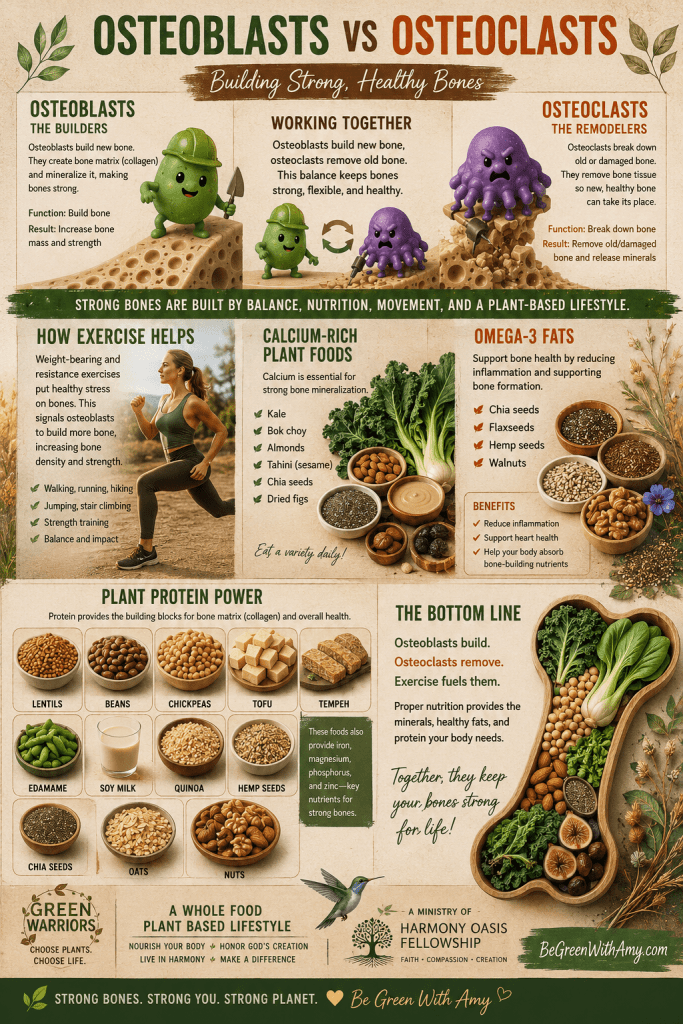
Calcium is foundational. Women over 50 should aim for about 1,200 mg of calcium per day. On a vegan diet, excellent sources include fortified plant milks, calcium set tofu, kale, bok choy, chia seeds, almonds, tahini, and dried figs. According to Michael Klapper, MD, the optimal calcium absorption occurs with dosages of 500 mg of calcium taken with meals. Increasing over that dosage begins to decrease absorption.
Ocean Robbins consulted with Brenda Davis who was a part of designing this bone health supplement which contains Vitamin K2.
Vitamin K2: Dr. Joel Fuhrman has decided to remove vitamin K2 from his osteo biotech supplement formula going forward. Based on recent scientific developments, including the retraction of several influential studies on K2 and bone health. He now believes that getting adequate K1 from vegetables is sufficient, and supplemental K2 doesn’t offer additional advantages.
This is Dr. Joel Fuhrman’s bone protection supplement.
Greens: Not all greens are equal. Spinach, Swiss chard, and beet greens contain oxalates that reduce calcium absorption, so they should not be relied on as primary calcium sources.
Vitamin D3 is essential since food alone is usually not enough. 1 in for people in the US are deficient in Vitamin D. Many people take around 1,000 IU daily, while some experts recommend 1,000 to 4,000 IU depending on blood levels. Be sure to get your Vitamin D 25 Hydroxy blood test and work with your physician to determine if you need supplementation. Be sure to use a trusted source as supplements are not regulated. I use this one.
Protein is critical for bone health, especially after menopause. A practical target is about 0.45 to 0.55 grams per pound of body weight per day. For example, a 140 pound woman would aim for roughly 63 to 77 grams daily. Try to spread protein intake evenly, aiming for about 25 to 30 grams per meal.
Sodium: Brenda Davis, R.D. says that high sodium intake can work against bone health because it may increase calcium loss through the urine. For that reason, it is smart to keep sodium in check, especially if you are trying to protect your bones after menopause or following a plant based diet. Focusing on whole foods, limiting heavily processed snacks, and getting enough calcium each day can all help support stronger bones over time.
Calcium Supplements: Brenda Davis, R.D. says that calcium citrate malate is a well absorbed form of calcium that may be especially helpful for older adults and postmenopausal women. It can be taken with or without food, and some research suggests it supports bone maintenance more effectively than certain other calcium forms. For women focused on osteoporosis prevention, this form of calcium may be a smart option to consider as part of an overall bone supportive routine. we 400-500 per serving taken with food. Any more should be taken in 2 doses as your body maximizes at 500 mg for absorption. More is not better. 2,000 to 2500 mg per day is the maximum daily dosage considering adequacy not risk. A very high, single dose of calcium supplements without food and the nutrients like vitamin D3, your body needs to process it can build up in your artery walls.
B12: Vitamin B12 is another nutrient to watch closely, especially on a vegan diet. Brenda Davis emphasizes that B12 is essential for plant based eaters, and emerging research suggests that low B12 status may contribute to weaker bones and a greater risk of fractures. That is why adequate B12 intake through fortified foods or supplements is an important part of a bone supportive routine. For some people, a sublingual B12 supplement can be a convenient option and may be easier to absorb well in practice, especially if swallowing pills is difficult or if they prefer this form.
Beans and Phytates: Soaking dried beans before cooking may help reduce phytates, which are natural compounds that can bind minerals such as calcium and make them less available for absorption. Brenda Davis notes that this is one reason proper bean preparation matters in a plant based diet, especially for people focused on bone health. By soaking, discarding the soaking water, rinsing, and cooking beans well, you can improve digestibility and support better mineral availability in your meals.

A well planned whole food plant based diet can be both nourishing and high in protein when it includes foods like lentils, beans, chickpeas, tofu, tempeh, edamame, soy milk, quinoa, hemp seeds, chia seeds, oats, and nuts. Ground lupin beans are higher in protein than quinoa, couscous or brown rice!
Prunes: Prunes can be a helpful food for bone health, and Brenda Davis points out that they may be especially useful for postmenopausal women. Since prunes are also high in fiber, it is important to drink enough water when eating them so you can help prevent constipation and keep digestion comfortable. A small daily serving can be a simple way to support both bone health and regularity at the same time. Select prunes that have no other ingredients like sugar, oil or salt.
Boron: Brenda Davis notes that boron may play a supportive role in bone health by helping with calcium metabolism and overall bone maintenance. While it is not one of the main nutrients she emphasizes first, boron may be worth considering as part of a broader bone supportive routine, especially for women focused on preventing bone loss after menopause. As with any supplement, the goal is to build a strong foundation with calcium, vitamin D, protein, and exercise first, then consider additional nutrients if needed.
By building meals around these protein rich staples, you can support muscle maintenance, energy, and overall wellness without relying on heavily processed foods.
Creatine: Brenda Davis emphasizes that strong bones depend on more than calcium alone. Along with a nutrient rich, plant based diet, she highlights the importance of exercise and adequate protein for preserving strength and function after 50. Creatine may be a helpful add on for some people because it can support muscle mass and strength, which indirectly benefits bone health by improving stability and reducing fall risk. However, it should be seen as a supportive tool, not a primary osteoporosis supplement, since its direct effect on bone density is still unclear. I take this Creatine supplement.
Include omega 3 fats from chia, flax, hemp, and walnuts. If intake is low, consider an algae based EPA and DHA supplement. Be sure to use a trusted source as supplements are not regulated. I use this one.
Ocean Robbins consulted with Brenda Davis who was a part of designing this bone health supplement.
This is Dr. Joel Fuhrman’s bone protection supplement.
If you already have osteopenia or osteoporosis, vitamin K2 may be helpful, particularly if your body may not efficiently convert K1 or if you do not consume enough leafy green vegetables. You can get a Vitamin D supplement with K2 here.
Exercise That Builds Bone
Movement is one of the most powerful tools for maintaining bone density.
Weight bearing cardio like walking, jogging, hiking, dancing, or HIIT helps stimulate bone growth by activating bone building cells known as osteoblasts.
Strength training should be included at least two to three times per week using weights or resistance bands to directly strengthen bones and muscles.
You can enhance the benefits of weight bearing exercise by adding resistance, such as using a weighted vest. A weighted vest increases the load placed on bones, encouraging them to adapt and become stronger over time. For example, wearing a light vest during a brisk walk can turn a simple daily habit into a more effective bone building activity.
If you choose to use one, it is important to do so safely. Fitness expert Angela Fischetti recommends not exceeding 10 percent of your body weight when selecting a vest. This helps prevent unnecessary strain on joints while still providing enough resistance to stimulate bone health. Start with the lightest option and gradually increase as your strength improves.
You can explore options like this weighted vest here.
Balance and flexibility exercises like yoga or tai chi are also important, as they reduce the risk of falls and fractures.
Disrupting the Balance: Prescription Medications:
Certain prescription medications, while intended to treat various conditions, can disrupt the delicate balance of bone remodeling. For example, long-term use of corticosteroids, commonly prescribed for inflammatory conditions like rheumatoid arthritis, can inhibit bone formation and increase bone resorption, leading to osteoporosis. Similarly, proton pump inhibitors (PPIs), used to treat acid reflux, may impair calcium absorption, further compromising bone health.
Prescription medications for osteoporosis, while intended to strengthen bones, can sometimes interfere with the natural bone-building process. These medications, including bisphosphonates like alendronate and risedronate, may disrupt the delicate balance between osteoblasts and osteoclasts—the two types of cells responsible for bone remodeling.
Remember that osteoblasts are the bone-building cells that synthesize new bone tissue, while osteoclasts are responsible for breaking down and removing old or damaged bone tissue. When this balance is disrupted, it can impair the function of both osteoblasts and osteoclasts, leading to decreased bone formation and increased bone resorption.
Additionally, some medications may suppress osteoclast activity, leading to a buildup of old bone tissue and inhibiting the formation of new bone. This can result in bones that are brittle and prone to fractures, despite the apparent increase in bone density.
Furthermore, long-term use of certain medications may have detrimental effects on bone health, including increased risk of fractures and impaired healing of bone injuries. It’s essential for individuals taking prescription medications for osteoporosis to work closely with their healthcare providers to monitor bone health and ensure that treatment strategies are optimized to support overall bone strength and integrity.
Lifestyle Habits That Matter
Daily habits can either support or weaken your bones.
Limit excess sodium, reduce (ideally eliminate) intake of soft drinks especially those with phosphoric acid, and keep alcohol consumption moderate. I recommend zero soft drinks or alchohol.
Maintain a healthy body weight. Research shows that very low body weight is associated with a higher fracture risk, especially among vegans.
It is also important to get a bone mineral density DEXA scan so you understand your baseline and can monitor changes over time.
A Simple Bone Healthy Vegan Day
Breakfast: Oatmeal made with fortified soy milk, topped with hemp seeds and berries
Lunch: Salad with lentils, tofu, quinoa, and tahini dressing
Dinner: Tofu stir fry or a bean based meal with leafy greens and whole grains
Exercise: A brisk walk combined with resistance training and balance work, either on the same day or alternating days
Strong bones are built through consistent daily habits. With the right nutrition, smart supplementation, and targeted exercise, you can support bone density and stay strong, active, and independent for years to come.
What small change will you make today to help protect your bones? Tell me in the comments.


Follow Amy:

Hi I’m Amy. My husband Rick & I adopted a Whole Plant lifestyle in 2012. We have had fantastic health results. Together, we’ve lost over 130 pounds! We offer private, lifestyle coaching and Zoom cooking lessons. We love to share our knowledge of this lifestyle and hope to spread the word and help others to Be Strong, Be Well and Be Green!🌱
👩🍳To arrange private Zoom cooking classes or coaching with this lifestyle:
For delicious, whole food, plant based recipes, hacks and more check out:
Be Strong, Be Well and Be Green!🌱
Please subscribe so that I know you would like to see more helpful information.
Disclaimer: The views and opinions expressed by the broadcast guest(s) during this broadcast are solely their own and do not necessarily reflect the views or opinions of the host. It’s important to consult with a qualified healthcare professional before making any changes to your diet or lifestyle based on information provided in this broadcast. The contents of this video/website are for informational purposes only. Information provided is not intended to be a substitute for professional medical advice or treatment. Always consult your health care provider if you have any health related concerns or questions.
#RawFood #PlantBasedDiet #HealthAndWellness #VeganLife #Nutrition #HealthyEating #WholeFoods #LiveInterview #HealthyLiving #NutrientRich #WellnessJourney #RawVegan #EatingClean #PlantBasedHealth #WellnessWednesday #HealthyHabits #FoodIsMedicine #VeganCommunity #RawVeganDiet #SustainableLiving
#WeightLossJourney #LoseWeight #HealthyWeightLoss #DietAndExercise #FitnessGoals #BodyTransformation #HealthyLifestyle #EatingForWeightLoss #FitLife #WeightLossTips #GetFit #SlimDown #WeightLossMotivation #HealthAndFitness #ShedPounds #DietPlan #ExerciseMotivation #WeightLossSuccess #FatLoss #HealthyChoices #fitnessjourney #sleep #sleepmeditation #howtosleepfaster #howtosleepfast #howtosleep #howtosleeplonger #howtosleepbetter
When you use our Affiliate links to make purchases we do earn a small commission without any extra cost to you. The small commissions go toward production costs to make this an even better experience for you! Thank you so much for your support!💚


Sistah! Thank you for the shout out! 🙂
You’re welcome Sistah! You have learned so much on your healing journey and we appreciate you sharing your tips and inspiration. Be Strong, Be Well, Be Green!🌱